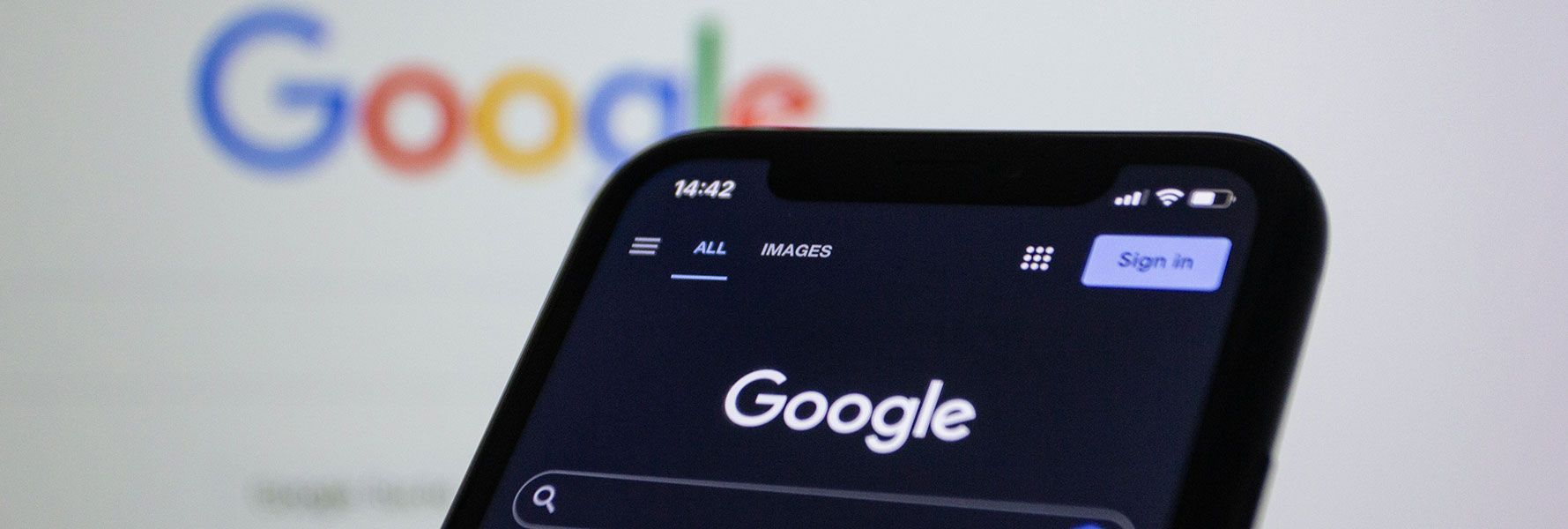
In April 2026, Google updated review rules silently. No announcement. No email. The rules just changed.
If you're collecting reviews the way most North Carolina businesses do, you're probably violating policy right now. Worse: Google is actively removing non-compliant reviews and can suspend your profile.
Full Transparency: I Was Doing This Too
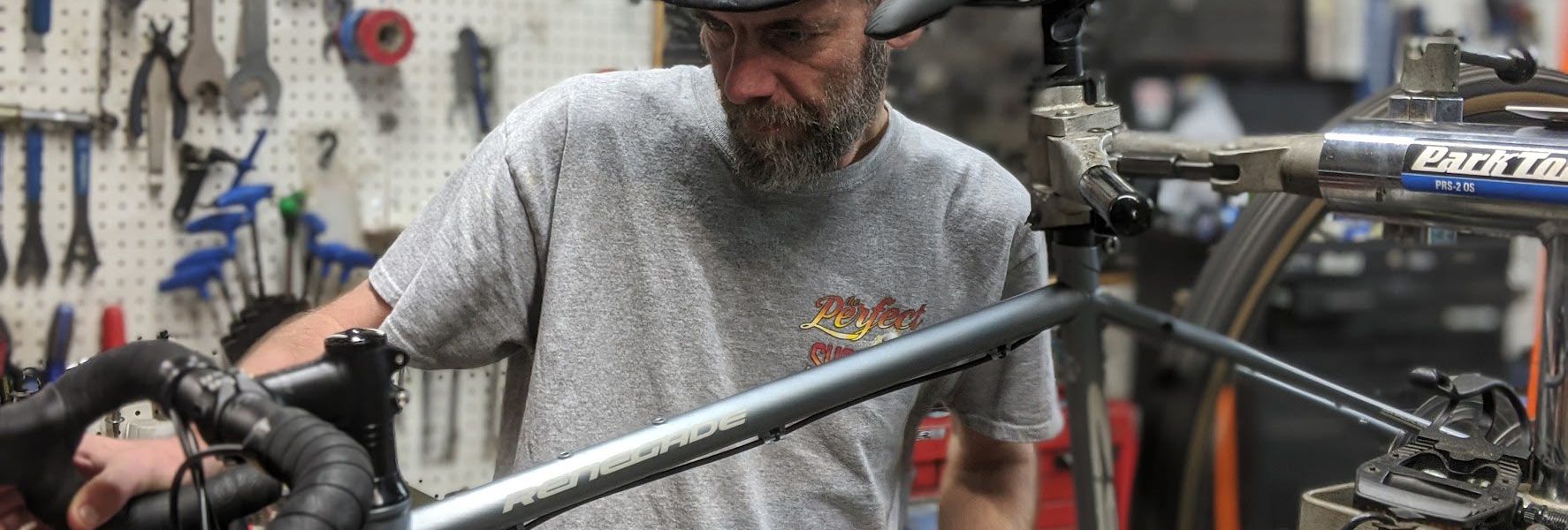
Here's the thing. I ran Skinny Wheels Bike Shop in Salisbury for 14 years. Until 2024, I was doing everything Google just banned.
I had a POS system that would text customers after they paid asking if they were satisfied. If they said yes, it automatically sent a second text with a Google review link. That's review gating. It's now against policy.
I also noticed Yelp and other platforms actually rewarded you for getting reviews from customers who checked in or visited while in your business. So I thought I was playing by the rules. Turns out, I wasn't.
I'm not bringing this up to excuse what I was doing. I'm bringing it up because if I was doing it, and I'm someone who pays attention to this stuff, then probably you are too.
The practices weren't evil. They worked. But Google decided they crossed a line between "asking for honest feedback" and "steering customers toward positive reviews." And honestly, they're right.
Why This Isn't Just an Update. It's a Crackdown
Google removed 292 million policy-violating reviews in 2025. That number shows you how serious the company is about this.
Seventy-one percent of consumers trust online reviews when deciding whether to do business with you. Reviews are critical for local visibility and ranking. But Google's enforcement is getting smarter. Their AI-driven moderation is now catching violations at scale and removing reviews in batches.
If you violate the policy repeatedly, Google doesn't just remove reviews. It restricts your profile. Your visibility drops. Competitors who play by the rules outrank you. And recovery takes months.
This isn't theoretical. It's happening right now.
Five Common Practices That Are Now Against Policy
Review Quotas. If you've told your team "we need 10 new reviews this month" or run leaderboards for who gets the most reviews, that's now explicitly banned. Staff can't be required to hit review numbers. The goal is natural, organic growth, not quotas.
Asking for Specific Names or Content. You can't ask customers to mention a specific employee or service in their review. You also can't write review templates and ask customers to use specific wording. This was always against policy but Google is now actively enforcing it with AI detection.
Review Gating. This is filtering customers by sentiment before sending a review link. The typical setup: customer visits, they get a feedback request. If they respond positively (4-5 stars), they're directed to Google. If they respond negatively (1-2 stars), they go to an internal form. This is now being actively enforced. Google sees it as manipulation, and they're right.
On-Premises Review Requests. Asking for reviews while customers are still in your business is prohibited. This includes verbal requests at the counter, review kiosks, tablets in the waiting area, or any in-store setup where customers leave reviews on your device. The logic makes sense to businesses (capture them before they leave), but Google sees it as pressure.
Incentivized Reviews. Offering discounts, free products, loyalty points, gift cards, or any other incentive for leaving a review is banned. This includes offering incentives to revise or remove negative reviews. You also can't use AI to write reviews for customers, even if they approve them.
How to Ask for Reviews (The Right Way)
Here's what's still allowed. Simple, open-ended requests work perfectly.
Send an email or text after the customer has left your business. The message should be straightforward: "Would you mind leaving us a Google review?" That's it. No incentives. No pressure. No specific wording.
If you want to prompt them, use a single neutral question like "What would you tell a friend about your visit?" Let them write in their own words.
Ask every customer equally. Don't filter by whether you think they'll be positive. Don't skip customers who seemed unhappy. Ask everyone the same way, and you're compliant.
Then do the thing most businesses forget: respond to every review, positive or negative. Reply within 24 to 48 hours. Thank people for positive feedback. Address legitimate complaints on negative reviews. This pattern tells Google's algorithm you're a real, engaged business.
Never write reviews for customers. Even if they say "just write it and I'll approve it," that violates policy. AI-generated reviews get flagged and removed in batches now.
Why Google Is Cracking Down (And Why It Actually Helps You)
Google's goal has always been an authentic, trustworthy review ecosystem. Consumers rely on reviews to make purchase decisions. If reviews are manipulated, the whole system breaks down.
For years, businesses found workarounds. Review quotas, gating, templates, on-site kiosks. These tactics generated reviews that technically came from real customers but still manipulated the process. They worked. That's exactly why Google is cracking down.
Here's the counterintuitive part: playing by the rules actually builds better long-term reputation than gaming the system ever did. Natural, organic reviews convert better than artificially inflated 5-star profiles. Honest feedback builds genuine trust. And trust is what actually drives business.
When everyone was doing review gating, the businesses that didn't look suspicious. Now that Google is enforcing, the honest players have an advantage.
The Real Cost of Getting Caught
Your reviews get removed. Even legitimate ones mixed in can disappear as Google's AI cleans up your profile.
Your review profile can be restricted or suspended entirely. Your visibility on Google Maps and Search drops. Competitors who follow the rules outrank you.
You lose customer trust. When people see your reviews got removed, they wonder what you were hiding.
Recovery takes time. Rebuilding a restricted profile can take months or longer.
This is why you need to audit your process today.
Audit Your Review Process Today
Check your current process against these questions.
Are you or your staff asking for reviews while customers are still in your business? Stop doing it immediately.
Do you have review quotas or leaderboards for staff? Delete them.
Are you offering incentives for reviews? Remove that policy.
Are you asking customers to mention employees by name or use specific wording? Update your process.
Then implement the compliant version. Ask all customers equally via email or text after they leave. Use open-ended language. Respond to every review.
If you're using a POS system with automated review requests, check the timing. If it's triggering while customers are on-site or immediately after payment before they leave, that's on-premises solicitation. Change the timing.
The new reality is simpler but requires more consistency. Ask less aggressively. Ask more carefully. Reply to everything. That's the pattern Google's algorithm reads as a real business.
Not Sure If Your Review Process Is Compliant?
Many Piedmont North Carolina small businesses are unknowingly violating Google's new policy. If you want an honest assessment of your review strategy and how to collect reviews the right way, we offer a free website assessment that includes your Google Business Profile review compliance.
We'll show you what's working, what needs to change, and exactly how to ask for reviews without risking removal or profile suspension
.
Get your free assessment at
pathpointservices.com/assessment. No obligation. Just honest feedback.