

Share this article

How 14 years behind the counter taught me that the right system changes everything for a service business.

Before I opened Skinny Wheels Bike Shop in Mocksville, I spent several years working in the web development department at Food Lion's corporate headquarters. Part of that job involved using an enterprise work order system that the company had paid a substantial amount of money for. The interface was clunky and the learning curve was steep, but the underlying concept was solid: every request got a ticket, every ticket had a status, and nothing fell through the cracks.

When I opened the bike shop, I kept thinking about that system. Not the expensive version, but the idea behind it.


For the first couple of years, we did what most small service businesses do. Paper tickets. A customer would bring in a bike, we'd fill out a handwritten work order, attach it to the bike, and send it to the back. Simple enough in theory.


In practice it was a mess.


Tickets fell off bikes. Tickets got mixed up between bikes. When a customer called to check on their repair, someone had to physically walk to the back, find the bike, read the ticket, and relay the information. And figuring out what to work on next meant physically going through every bike in the queue, checking the date on each ticket, and mentally sorting the order. Every single day.

The bigger we got, the worse it became.


Finding the Right Solution


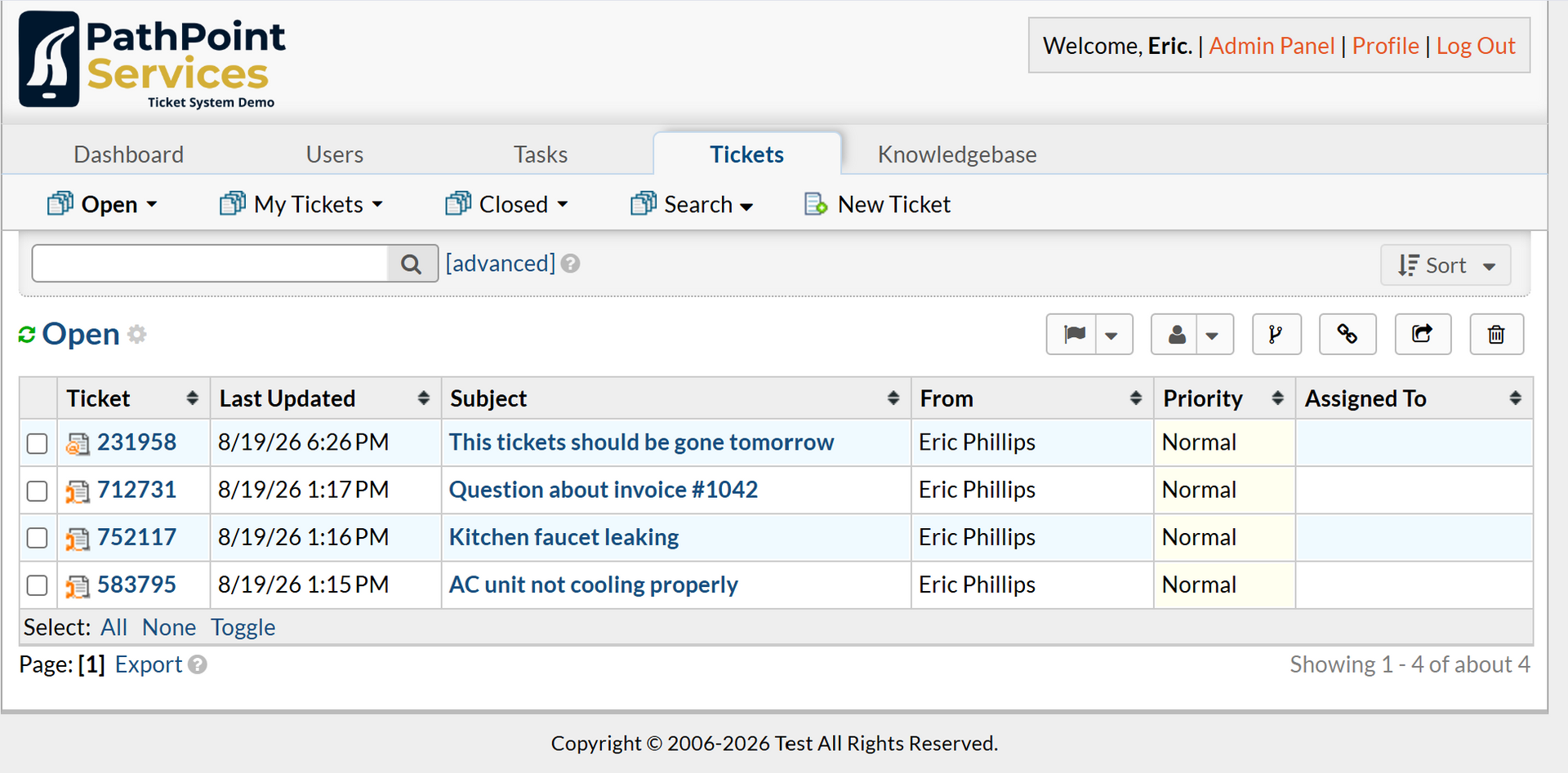
I eventually discovered a free, open-source work order system that looked remarkably similar to the expensive enterprise tool I'd used at Food Lion, minus the painful interface and the enormous price tag. I set it up for the shop, configured it to match our workflow, and we never looked back.

What we built was essentially a custom digital work order system tailored specifically to how a bike shop operates. When a customer brought in a bike, our front desk service writer would open a ticket and enter everything: customer name, phone number, email, what they were bringing in, what they wanted done, any special notes. The customer would automatically receive an email confirmation the moment the ticket was created.


From that point on, they could follow the progress of their repair online without ever having to call us.

What Changed Almost Immediately


The queue was visible to everyone at once. The techs in the back had the system open on a dedicated computer. At a glance they could see every open ticket, sorted by when it came in. No more walking through bikes. No more guessing what came first. The oldest tickets were at the top. Priority tickets, for customers who paid to have their work expedited, could be flagged and moved up automatically.

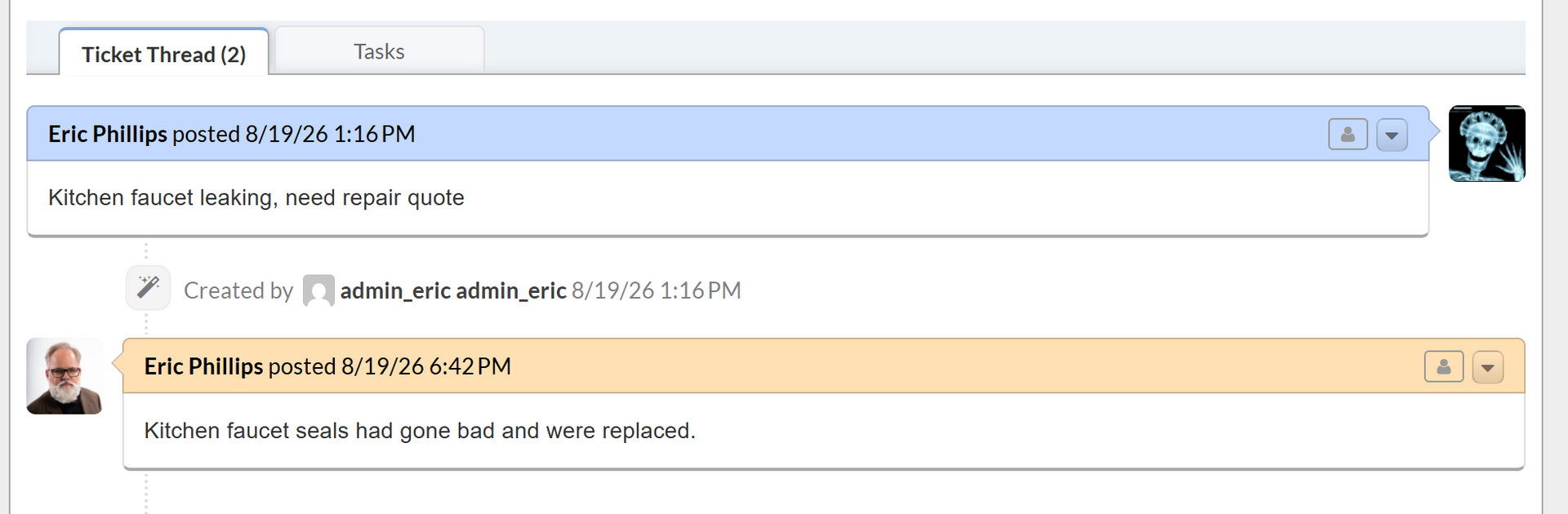
As techs worked through tickets they'd add notes directly in the system. Parts on order. Customer contacted. Waiting on approval. Work completed. Every step was documented in real time, with a timestamp attached.


Communication became automatic. As long as we had a good email address, customers were notified when their ticket status changed. Most of the "where's my bike?" phone calls stopped almost entirely. Customers already knew.


The Benefits We Didn't Expect


Efficiency was the obvious win. We stopped losing tickets, stopped missing work, stopped working things out of order. That alone was worth it.


But over time we started realizing benefits we hadn't anticipated.

Every closed ticket became part of a permanent record. After a few years of operation we had a searchable history of every repair we'd ever done. When a customer came in six months later claiming we were supposed to have done something, or that a repair we'd done hadn't held up, we could pull the closed ticket and show them exactly what had been requested and exactly what had been done. Not from memory. From documentation.

That changed conversations entirely.


There was also an unexpected knowledge base effect. Techs would leave detailed notes about how they'd solved unusual problems. Over time those notes became a reference library. When a similar issue came in, someone could search past tickets and find how we'd handled it before. Institutional knowledge that used to live only in people's heads started living in the system instead.


This Isn't Just for Bike Shops


I share this story because what we built at Skinny Wheels isn't unique to bike shops. The same workflow applies to any service business that takes in customer requests, assigns them to staff, and needs to track progress from open to closed.


HVAC companies managing service calls. Auto shops tracking repairs. Electricians juggling multiple job sites. Plumbers handling emergency calls and scheduled maintenance. Appliance repair businesses. Lawn care companies. Anyone who operates with a queue of work and a team to do it.

If your current system is paper tickets, a whiteboard, a shared email inbox, or just whoever answers the phone remembering what needs to get done, you already know the problems. Things get missed. Work gets done out of order. Customers have no visibility. Staff have no documentation. And when something goes wrong, there's no record of what was actually agreed to.


A custom work order system fixes all of that.


What We Set Up for Clients


At PathPoint Services we now set up custom work order and ticket systems for service businesses. The setup is tailored to how your business actually operates, not a generic out-of-the-box configuration. We handle installation, customization, staff training, and documentation.


If you want to see how it works before committing to anything, we have a live demo environment you can play with. It resets nightly so you can't break anything.


Username: test
Password: testing1

Try the Demo →

Learn More About Our Services →

Recent Posts

Google search page on a phone and a diesktop
By Charleigh Phillips July 13, 2026
Think building your site on Wix or Squarespace was enough? Here's what those platforms won't tell you about getting found on Google.

Davie County Chamber of Commerce building and sign
By Eric Phillips July 13, 2026
Davie County trades businesses have a hidden advantage online and most don't know it. Here's what a Mocksville web designer sees in the local market.
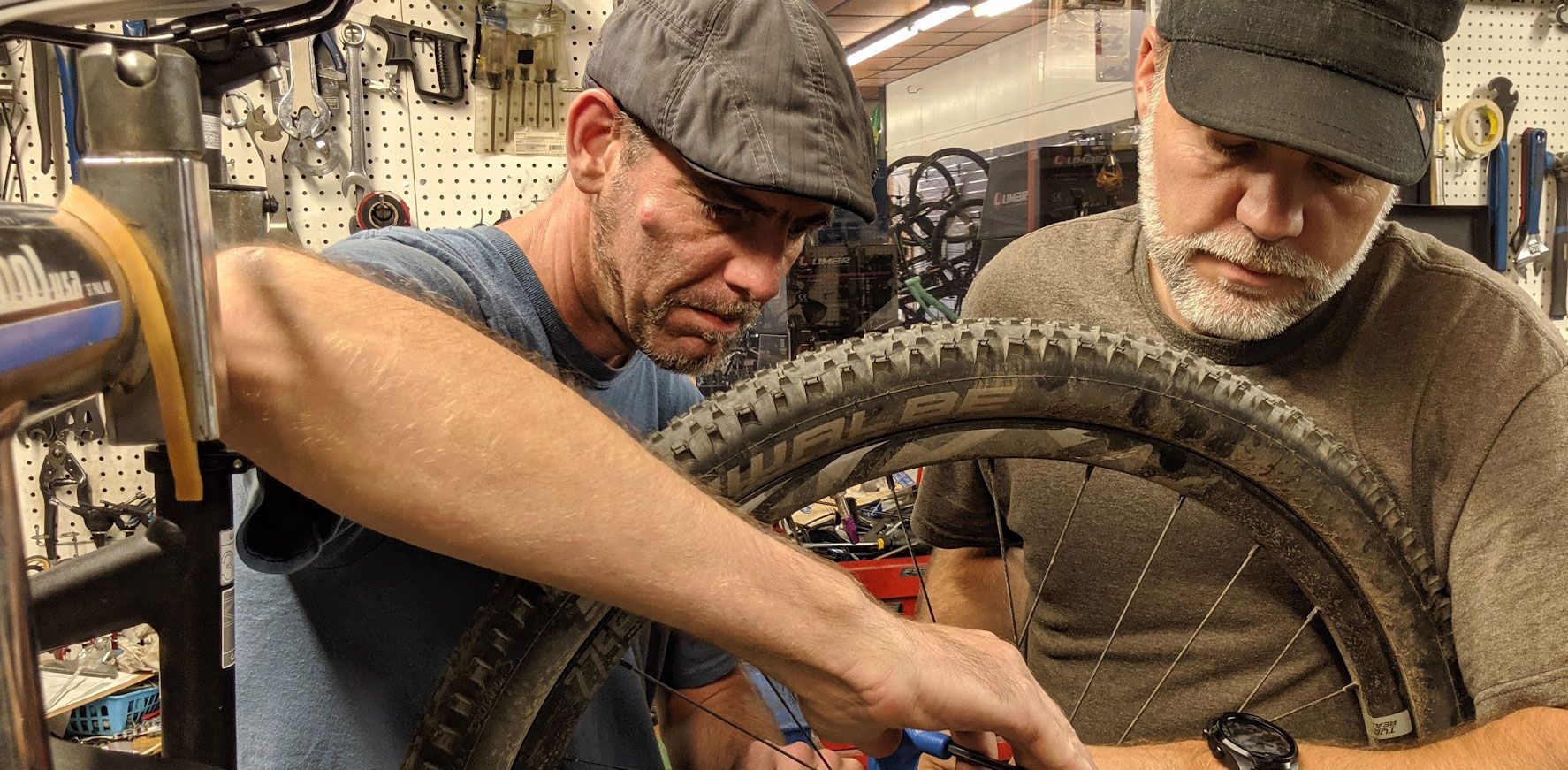
Eric Phillips and his brother working on a bike at Skinny Wheels Bike Shop in Salisbury NC
By Eric Phillips July 3, 2026
A Salisbury business owner shares what 14 years in the local market taught him about web design, visibility, and what small businesses really need online.
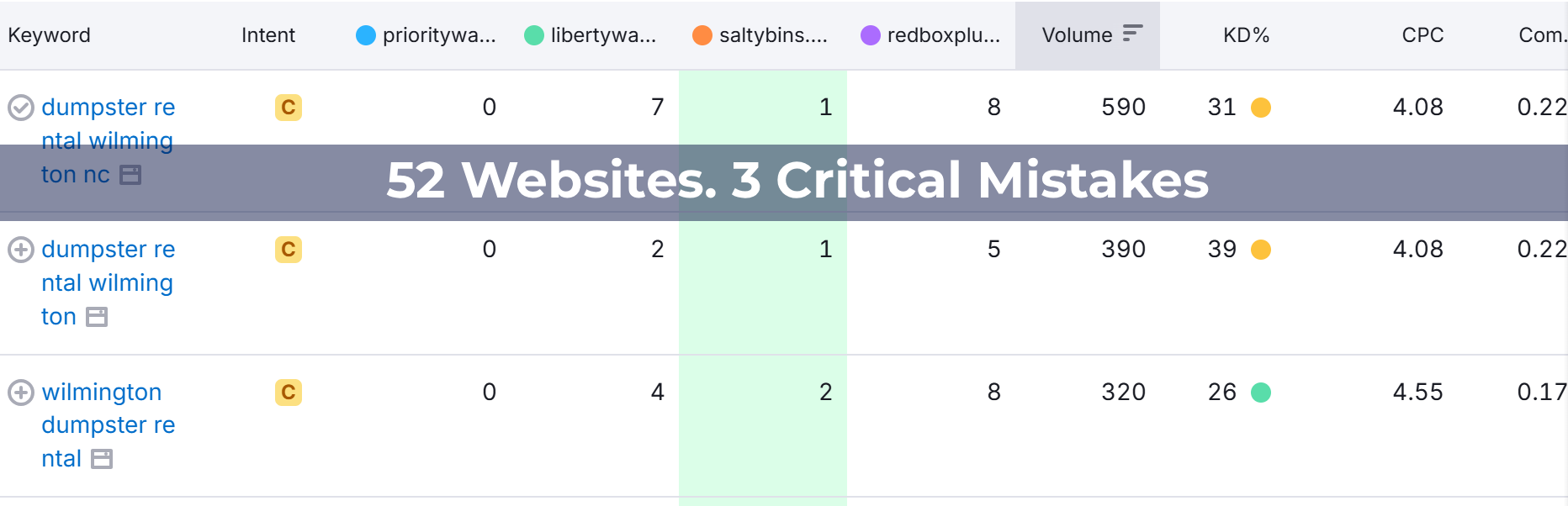
SEMrush data showing keyword analysis for 52 NC business websites revealing 3 critical SEO mistakes
By Eric Phillips February 12, 2026
We analyzed 52 NC business websites. Here are 3 mistakes costing customers: wrong location keywords, broken CTAs, and DIY platforms that don't rank.
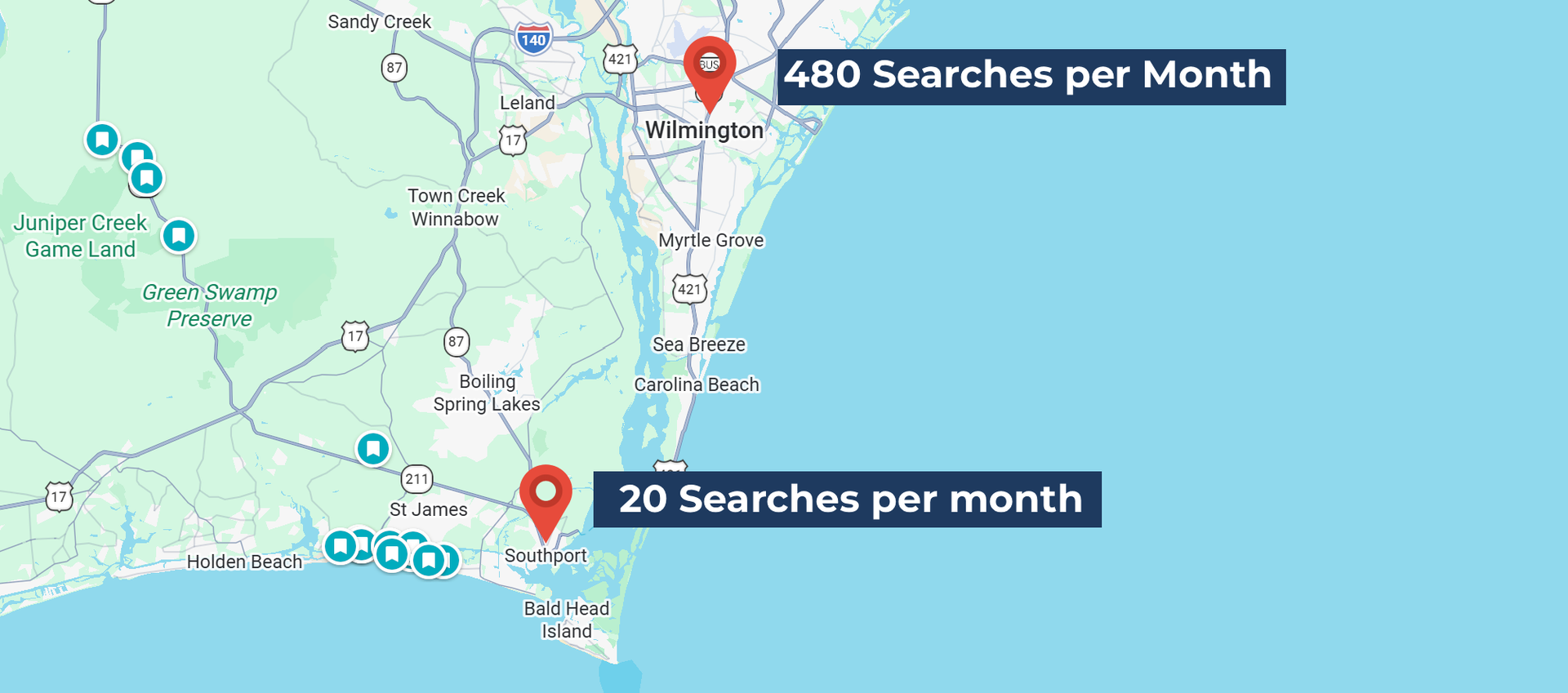
Map comparing monthly Google search volume in Wilmington NC versus Southport showing 10x larger mark
By Eric Phillips January 31, 2026
Small town businesses often ignore nearby city markets. Learn why a plumber in Leland should target Wilmington - and how to expand your service area.

Customer searching for local business on Google mobile instead of using a dedicated app
By Eric Phillips January 27, 2026
Most small businesses don't need an app. Learn why a mobile-friendly website and strong Google presence deliver better ROI. Free assessment available.